
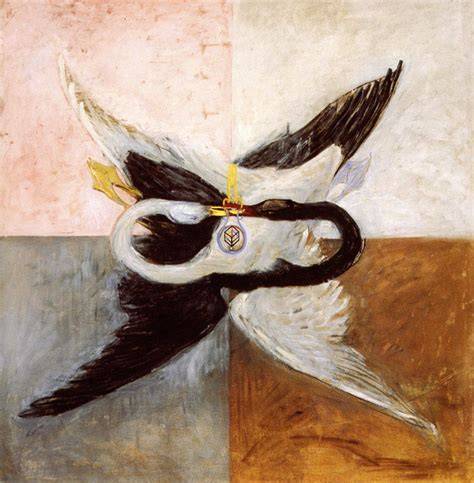
Theosophy is a modern esoteric philosophical and spiritual movement that seeks to uncover the hidden truths underlying all religions, sciences, and philosophies. It was formally established in 1875 in New York City by Helena Petrovna Blavatsky (1831–1891), along with Henry Steel Olcott and William Quan Judge, through the founding of the Theosophical Society. The word “Theosophy” comes from the Greek theos (god) and sophia (wisdom), meaning “divine wisdom” or “wisdom of the gods.”
Core Aims
The Society’s three declared objects are:
- To form a nucleus of the Universal Brotherhood of Humanity, without distinction of race, creed, sex, caste, or color.
- To encourage the study of comparative religion, philosophy, and science.
- To investigate the unexplained laws of Nature and the powers latent in human beings.
Fundamental Teachings
Theosophy presents a vast, syncretic cosmology drawn heavily from Hinduism, Buddhism, Neoplatonism, Hermeticism, and Western occult traditions. Its central text, Blavatsky’s The Secret Doctrine (1888), outlines a complex evolutionary narrative spanning spiritual, cosmic, and human development.
Key concepts include:
- Monism and Unity: All existence emerges from one infinite, eternal, boundless Divine Principle (the Absolute or “Rootless Root”). The universe is an interconnected whole.
- Reincarnation and Karma: Souls evolve through countless lifetimes on Earth and other planes, guided by the law of karma (cause and effect). Death is merely a transition.
- Sevenfold Constitution of Man: Humans consist of multiple bodies or principles—physical, astral, mental, and higher spiritual vehicles—allowing for progressive awakening.
- Spiritual Hierarchies: Advanced beings known as Mahatmas, Adepts, or Masters of the Wisdom (including figures like the “Lord Maitreya” or historical sages) guide human evolution from behind the scenes.
- Cycles and Rounds: History unfolds in vast cosmic cycles (manvantaras and pralayas), with humanity passing through seven root races on seven continents in our current planetary round. Blavatsky placed the origins of civilization in ancient Atlantis and Lemuria.
- Esoteric vs. Exoteric Knowledge: All great religions contain an outer, popular teaching and an inner, secret wisdom tradition that Theosophy claims to revive.
History and Influence
After Blavatsky’s death, the movement split into several branches, most notably the Theosophical Society (Adyar) led by Annie Besant and Charles Leadbeater, who popularized more devotional and messianic elements (including the controversial promotion of Jiddu Krishnamurti as a World Teacher, which he later rejected).
Theosophy profoundly influenced 20th-century spirituality. It helped introduce Eastern ideas (karma, reincarnation, chakras, meditation) to the West, shaped the New Age movement, modern occultism, and even inspired figures in art, literature, and politics (e.g., Kandinsky, Mondrian, Gandhi, and the Indian independence movement). Critics have accused it of cultural appropriation, fabrication of history, and authoritarian tendencies, while supporters praise its universalist vision and emphasis on tolerance and self-transformation.
In essence, Theosophy offers a grand metaphysical framework asserting that humanity is divine in origin, currently asleep to its true potential, and destined—through ethical living, study, and inner development—to awaken to its spiritual nature and reunite with the One Life. It remains a living tradition with active societies worldwide, encouraging open inquiry rather than dogmatic belief.
(Note: the above writing summary of theosophy is by Grok)

