In an era of digital disconnection, rediscovering the divine through nature offers profound pathways to holistic well-being and a deepened belief in sacred reality. This synergy of ecological immersion fosters physical, emotional, and spiritual vitality, awakening humans to an interconnected cosmos where the mundane reveals the holy. Trees, stars, plants, animals, and simple acts like lying on grass serve as conduits, enhancing sensory perceptions and cultivating “greater awakeness”—a heightened state of mindfulness and transcendence.
Trees stand as ancient sentinels, bridging earth and sky, symbolizing resilience and divine immanence. Their rooted stability and upward aspiration mirror human spiritual growth, providing shade for reflection and oxygen for life. Communing with trees—hugging an oak or meditating beneath a canopy—reduces stress hormones like cortisol, as studies in forest bathing (shinrin-yoku) confirm, lowering blood pressure and boosting immune function. Mystically, trees channel sacred energy; in pantheistic views, they embody the divine essence, fostering awe that combats anxiety and nurtures a sense of belonging to a greater whole.
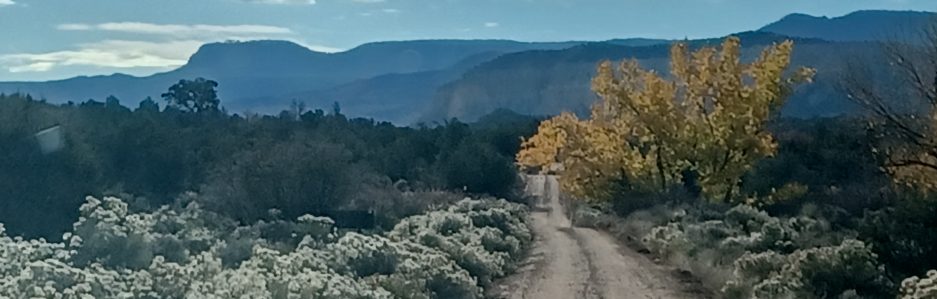
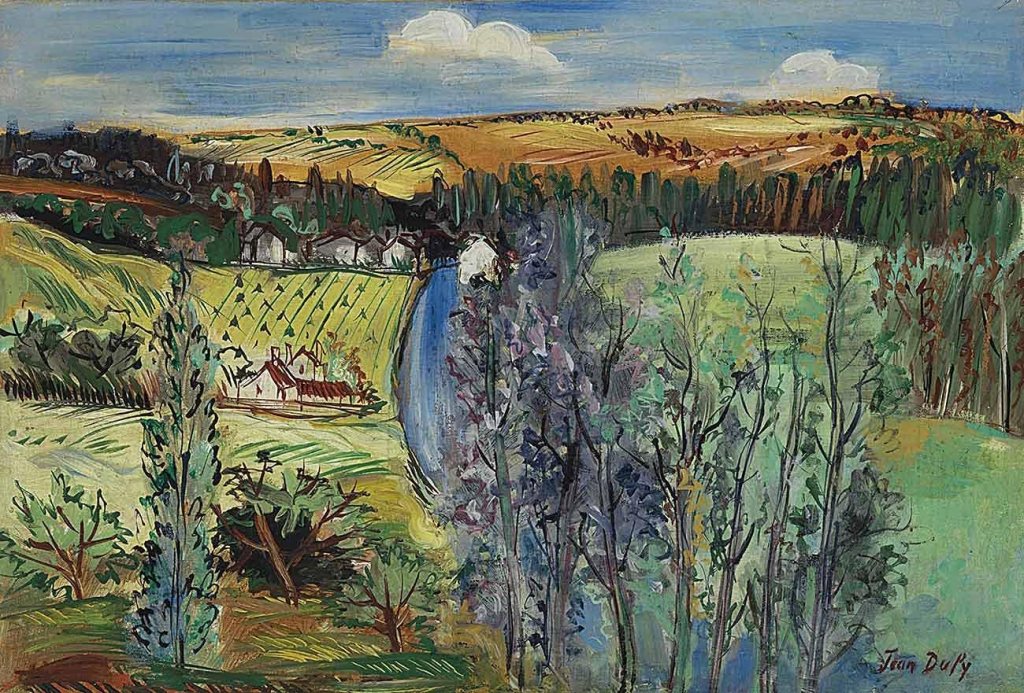
Seeing the divine through nature amplifies this. Vast landscapes—mountains, rivers, forests—evoke the sublime, dissolving ego boundaries and instilling humility. This “nature mysticism” sharpens senses: colors vividify, sounds clarify, scents invigorate. Spending time outdoors enhances perceptual acuity, rewiring neural pathways for empathy and creativity, as evidenced by improved cognitive function in green spaces. It cultivates belief in sacred reality by revealing patterns of harmony, like fractal designs in leaves or ecosystems’ interdependence, affirming a purposeful universe.
Plant medicine extends this sacred dialogue. Entheogens like ayahuasca or psilocybin mushrooms, used in indigenous rituals, dissolve perceptual filters, unveiling interconnectedness. These “plant teachers” induce visions of unity, healing trauma and fostering compassion. Modern research supports their role in treating depression, with microdosing enhancing mood and spiritual insight, reinforcing faith in a benevolent, intelligent nature.
Gazing at the stars above ignites cosmic wonder, expanding consciousness beyond self. Night skies, unpolluted by light, reveal galaxies as divine tapestries, inspiring philosophers to ponder infinity. This stargazing quiets the mind, reducing rumination and promoting serenity, while evoking existential awe that strengthens resilience and purpose.
Simple acts like lying on grass ground the body, absorbing earth’s electrons to reduce inflammation—a practice called earthing. This tactile connection heightens sensory awareness, syncing biorhythms with natural cycles for better sleep and vitality. Spending time with animals—petting a dog or observing wildlife—mirrors divine unconditional love, releasing oxytocin for emotional bonding and stress relief. These interactions teach presence, empathy, and reciprocity, blurring human-animal divides in sacred kinship.
Collectively, these elements contribute to well-being by integrating body, mind, and spirit: physically through vitality; emotionally via joy and peace; spiritually by affirming sacred reality—a living, divine web where all is interconnected.
Key historical guides embody this thinking. Ralph Waldo Emerson (1803–1882), in Nature (1836), urged seeing God in every leaf, becoming a “transparent eyeball” in woods for transcendent unity. Henry David Thoreau (1817–1862), at Walden Pond, found divinity in simplicity, trees as “shrines” awakening senses to eternal truths. John Muir (1838–1914), “Father of National Parks,” revered sequoias as God’s temples, advocating wilderness immersion for soul renewal. Black Elk (1863–1950), Oglala Lakota visionary, spoke of the Great Spirit in all creation, with sacred hoops uniting humans, animals, and stars. Laozi (6th century BCE), in the Tao Te Ching, harmonized with nature’s flow, trees and stars as Tao’s manifestations for enlightened living.
Through these practices and exemplars, nature beckons us to awaken, heal, and believe in the sacred—transforming existence into a luminous journey.
…
Note: Grok generated this essay with numerous prompts from moi.
 One Seeker's Story