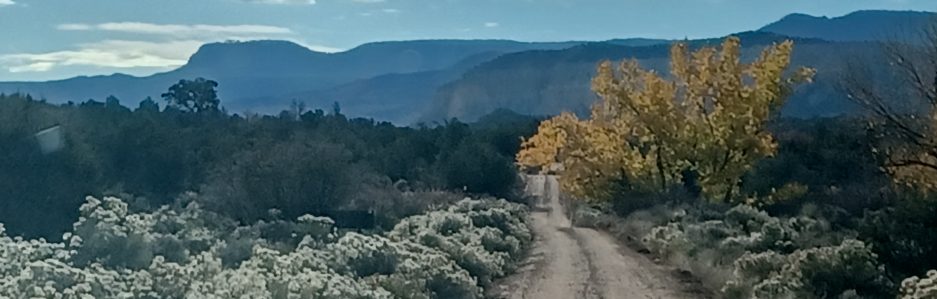

The idea that trees serve as conduits to the divine is a profound mystical theme spanning ancient traditions and modern spirituality. Trees are not merely biological entities but living bridges between the earthly and the sacred, channeling divine energy, wisdom, and presence. Their roots delve into the earth while branches reach toward the heavens, symbolizing interconnection between the material world and transcendent reality.In many cultures, trees embody the axis mundi—the cosmic pillar linking realms.
The Norse Yggdrasil, an immense ash tree, connects nine worlds, facilitating divine communication and cosmic order. Similarly, the Bodhi tree in Buddhism marks where Siddhartha Gautama attained enlightenment, serving as a direct portal to awakened wisdom and universal truth. Celtic Druids revered oaks and sacred groves as sites where the veil between human and divine thins, allowing communion with spiritual forces. Mystically, trees act as “wordless ministers” and “soul friends,” offering healing, resilience, and insight.
As explored in contemporary works like Discovering the Spiritual Wisdom of Trees by Beth Norcross and Leah Rampy, intimate presence with trees—through mindful observation or forest immersion—awakens awe, revealing every lifeform as an expression of the Divine. This aligns with pantheistic views where nature itself is sacred: trees manifest the all-pervading divine essence, fostering sacred oneness amid ecological crises. Practices such as meditating beneath a tree, touching ancient bark, or contemplating seasonal cycles invite direct experience of this conduit.
Trees teach endurance through storms, interconnectedness via underground networks, and renewal in eternal growth—mirroring spiritual growth and divine flow. Ultimately, seeing trees as conduits invites reverence: they are living embodiments of the holy, urging humanity to listen, protect, and reconnect with the sacred web of life.
Note: I asked AI questions that generated this answer.
 One Seeker's Story